
Ever stumbled across a job title like “Data Analyst” and thought, “Wait… what does a data analyst do exactly?” I remember feeling the same way the first time I saw it on LinkedIn it sounded fancy but mysterious!
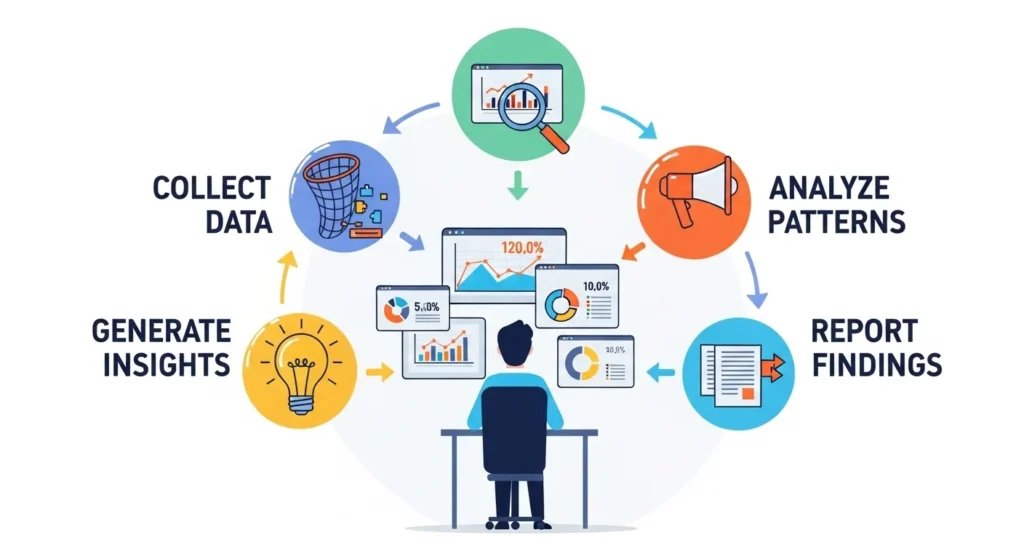
Well, a data analyst is basically a detective for numbers. They turn raw data into insights that businesses, marketers, and tech teams use to make smart decisions.
Quick Answer:
A Data Analyst examines, interprets, and visualizes data. It’s a professional role that’s analytical, detail-oriented, and essential for data-driven decision making.
🧠 What Does a Data Analyst Mean?
A data analyst role is all about making sense of numbers. They gather data from multiple sources, clean it, analyze patterns, and present actionable insights. Simply put, they help businesses answer questions like “Why did sales drop?” or “Which campaign performed best?”
Example Sentence:
“Our website traffic was down last month, so the data analyst analyzed user behavior and found the problem: slow page load times.”
In short: Data Analyst = Someone who interprets data = Turns numbers into actionable insights.
📌 Daily Tasks of a Data Analyst
Knowing the exact responsibilities helps you understand the role better:
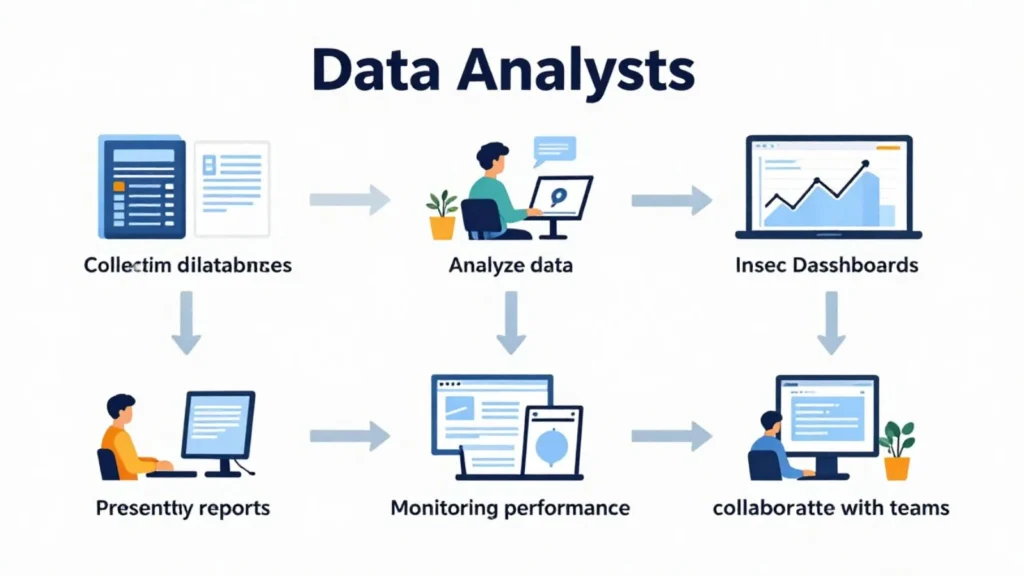
- 📥 Collect Data: Extract from databases, APIs, spreadsheets, or software tools
- 🧹 Clean & Preprocess Data: Remove errors, handle missing values, and standardize formats
- 📊 Analyze Data: Use statistical methods to detect trends, patterns, or anomalies
- 📈 Visualize Insights: Create dashboards, charts, and reports with tools like Tableau or Power BI
- 💬 Present Findings: Share actionable recommendations with team members or stakeholders
- 🔍 Monitor Performance: Track metrics over time to measure success or identify improvements
- 🛠️ Collaborate with Teams: Work with marketing, sales, finance, and product teams
🛠️ Skills and Tools Required
A data analyst career requires both technical and soft skills. Here’s a handy table:
| Skill / Tool | Description | When to Use |
| Excel | Spreadsheets for organizing and analyzing data | Daily reporting and calculations |
| SQL | Query databases to extract information | Data collection & filtering |
| Python / R | Data cleaning, statistical analysis, scripting | Advanced analysis & automation |
| Tableau / Power BI | Create dashboards and visualizations | Presenting insights to stakeholders |
| Statistics & Math | Understand trends, averages, probability | Data interpretation & reporting |
| Communication Skills | Explain insights clearly | Meetings, emails, presentations |
📱 Where Is a Data Analyst Commonly Used?
Data analyst work shows up in almost every modern business:
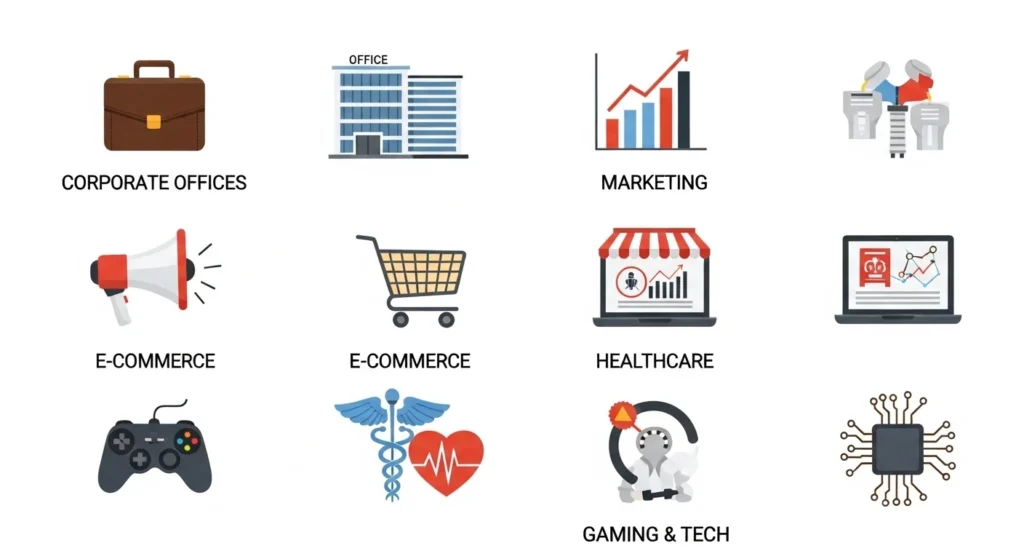
- 💼 Corporate Offices: Track KPIs and business performance
- 📊 Marketing & Advertising: Analyze campaign results and engagement
- 🛒 E-Commerce: Improve shopping experience and conversions
- 🏥 Healthcare: Monitor patient outcomes and operational efficiency
- 🎮 Gaming & Tech: Track user behavior, retention, and app performance
Tone: Professional, yet often simplified in dashboards or chats for team-friendly communication.
💬 Examples of “Data Analyst” in Conversation
Here are real-life style examples for context:
Example 1:
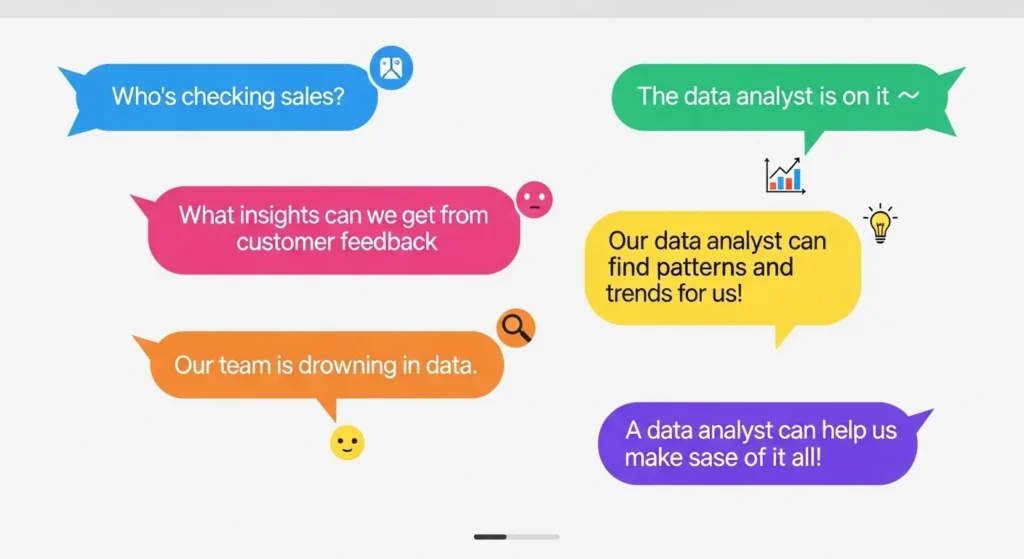
A: “Why did our sales drop this month?”
B: “The data analyst found the reason in the dashboard 📊”
Example 2:
A: “Can we improve email open rates?”
B: “Yes, the data analyst shared insights from last campaign ✨”
Example 3:
A: “Do we really need all these spreadsheets?”
B: “Absolutely, the data analyst loves them 😅”
Example 4:
A: “Is it safe to launch the new product?”
B: “Checked with the data analyst, trends look promising ✅”
Example 5:
A: “Who’s reviewing the website traffic data?”
B: “Our data analyst is on it 💻”
🕓 When to Use and When Not to Use “Data Analyst”
✅ When to Use:
- Discussing data analysis in business
- Explaining trends, insights, or reports
- Team collaboration or brainstorming
- Professional chats where numbers matter
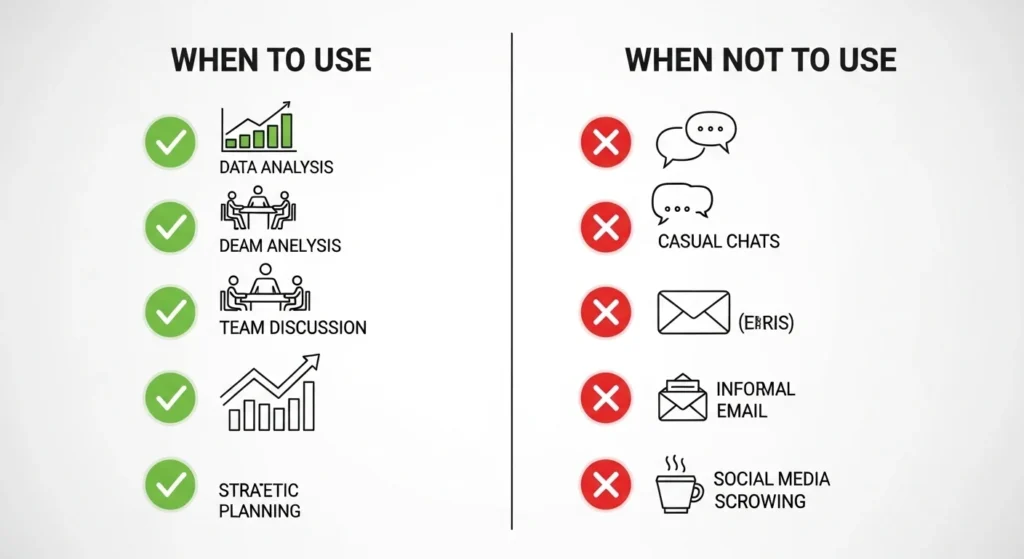
❌ When Not to Use:
- Casual jokes on social media
- Urgent or sensitive messages
- Situations needing clear instructions without jargon
Comparison Table:
| Context | Example Phrase | Why It Works |
| Friend Chat | “Our data analyst found the issue 😄” | Casual, friendly reference |
| Work Chat | “The data analyst reviewed Q1 results” | Professional & concise |
| “Please see the analysis prepared by our data analyst” | Formal & clear |
🔄 Similar Roles or Alternatives
| Role | Meaning | When to Use |
| Business Analyst | Examines business processes & improves efficiency | Strategic planning conversations |
| Data Scientist | Advanced data analysis & predictive modeling | Tech-focused or research-heavy roles |
| Data Engineer | Builds data pipelines & infrastructure | Technical or backend-focused projects |
| Statistician | Analyzes numerical data & trends | Academic, healthcare, or research contexts |
| BI Analyst | Focuses on business intelligence dashboards | Corporate reporting & insights |
💰 Career Prospects and Salary
A data analyst career is in high demand. Salary varies by experience and location:
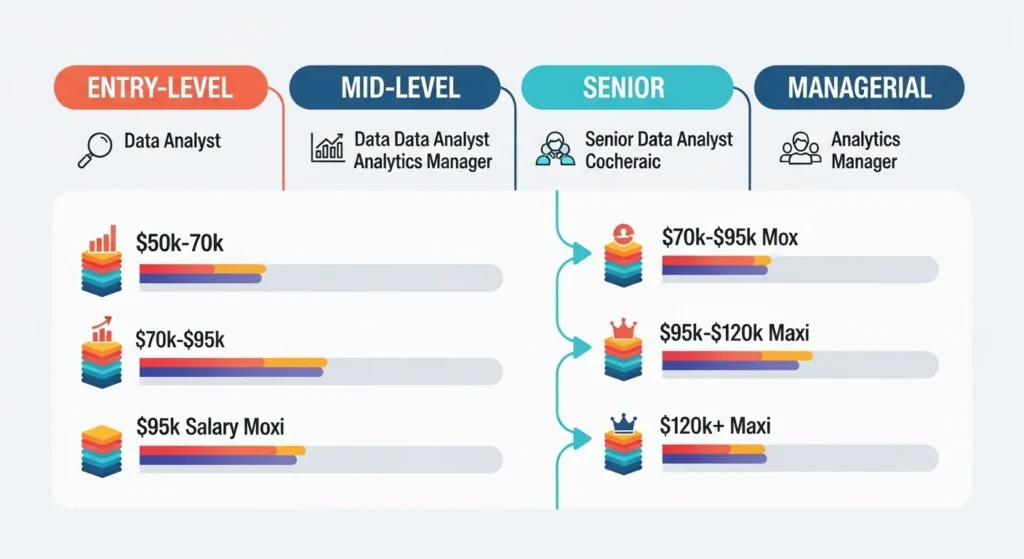
- Entry-Level: $50k–$70k/year
- Mid-Level: $70k–$90k/year
- Senior/Lead Analyst: $90k–$120k+
Career Path:
Data Analyst → Senior Data Analyst → Data Scientist / BI Analyst → Analytics Manager → Head of Data
❓ FAQs About “Data Analyst”
Q1: Do data analysts code?
A: Often yes. SQL, Python, or R are commonly used for data analysis, but coding level depends on the job.
Q2: Is a data analyst the same as a data scientist?
A: No. Data scientists do more advanced predictive modeling, while data analysts focus on interpreting existing data.
Q3: Can anyone become a data analyst?
A: With skills like SQL, Excel, Python, and analytical thinking, yes! Online courses and bootcamps make entry-level roles accessible.
Q4: Is this role casual or formal?
A: It’s professional but findings are often shared in user-friendly ways — dashboards, presentations, or even chat summaries.
Q5: What industries hire data analysts the most?
A: Tech, finance, e-commerce, healthcare, marketing, and gaming are the top industries.
✅ Conclusion
So, what does a data analyst do? They turn raw data into insights that drive smarter business decisions.
From daily tasks like data cleaning and analysis to building dashboards and presenting trends, a data analyst career combines analytical thinking, technical skills, and communication.
Key Takeaways:
- Data Analyst = Data detective 🕵️♂️
- Skills: SQL, Excel, Python, visualization tools
- Career: High-demand role with strong growth and salary potential
- Works across industries: tech, finance, healthcare, marketing, and more
With this understanding, the next time someone mentions a data analyst, you’ll know exactly what they do and why their insights matter so much!

Mason Olivia is a passionate innovator and storyteller who believes in creating with purpose. Blending creativity and vision, Mason inspires others to dream bigger and achieve more.
Leave a Comment