
Scrolling through LinkedIn or job boards, you might have seen the title “Data Scientist” and thought, “What does a data scientist do exactly?” It can feel mysterious like they are tech wizards turning numbers into magic.
In reality, data scientists are the professionals who analyze and interpret complex data to help companies make smart decisions.
Quick Answer:
A Data Scientist is someone who collects, cleans, and analyzes data to uncover insights and guide business decisions.
It’s a professional role requiring a mix of statistics, programming, and business knowledge.
🧠 What Does a Data Scientist Do?
A data scientist is more than just a “numbers person.” Their main role is to transform raw data into actionable insights that improve business strategy, product development, or customer experience.
Example:
“Our data scientist analyzed customer behavior and discovered why engagement dropped last quarter.”
In short:
Data Scientist = Professional analyzing data = Person who converts numbers into actionable business insights.
📋 Daily Tasks & Responsibilities of a Data Scientist
Understanding what a data scientist does daily is key for anyone curious about the role. Typical tasks include:
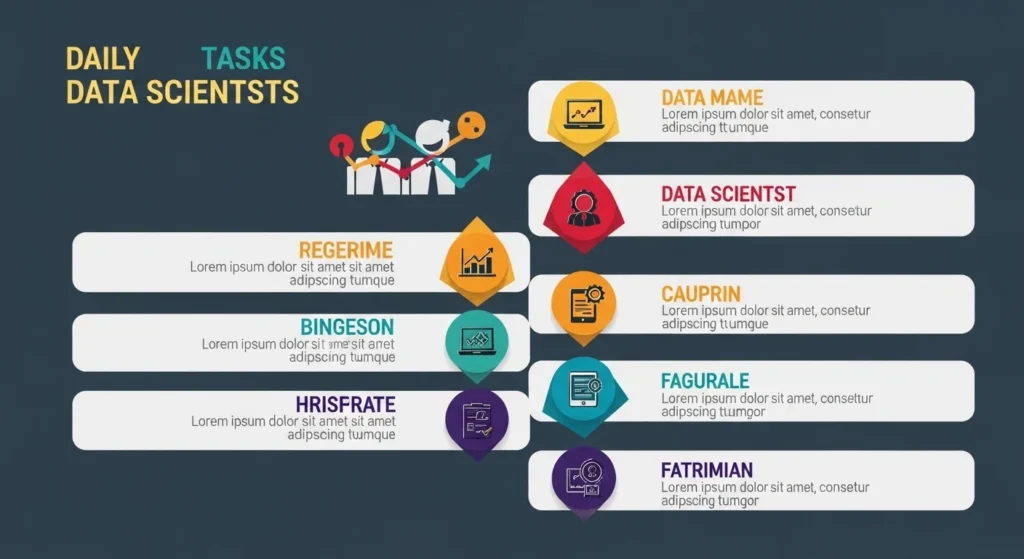
- Data Collection & Cleaning – Gathering data from various sources and ensuring accuracy.
- Data Analysis – Using statistical methods to identify trends and patterns.
- Predictive Modeling – Creating machine learning models to forecast outcomes.
- Data Visualization – Presenting data insights with charts, dashboards, and reports.
- Collaboration with Teams – Working with marketing, sales, or product teams to solve business problems.
- Monitoring KPIs – Tracking performance metrics and suggesting improvements.
- Reporting Findings – Explaining results to non-technical stakeholders in clear language.
This detailed workflow gives a clear picture of the practical responsibilities of a data scientist.
🛠️ Skills Required to Become a Data Scientist
To thrive in this role, a data scientist needs a mix of technical and soft skills:
Technical Skills:
- Programming: Python, R, SQL
- Machine Learning & AI
- Statistical Analysis
- Data Visualization (Tableau, Power BI, Matplotlib)

Soft Skills:
- Critical thinking & problem-solving
- Communication (explaining insights to non-tech teams)
- Business understanding
- Team collaboration
In short: A good data scientist combines analytical expertise with business sense to drive impactful decisions.
💼 Career Path & Growth Opportunities
A data science career path can vary, but typically includes:
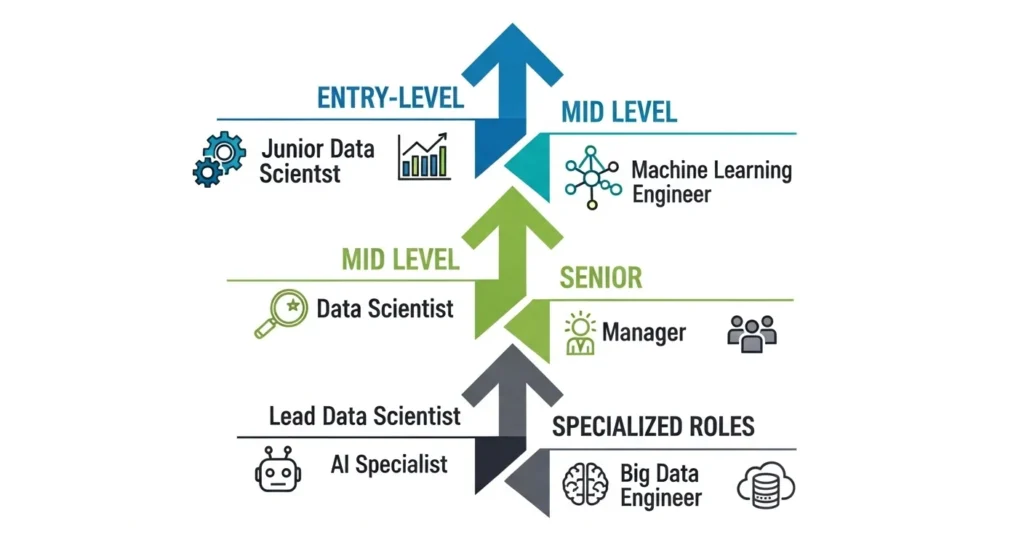
- Entry-Level Roles: Junior Data Scientist, Data Analyst
- Mid-Level Roles: Data Scientist, Machine Learning Engineer
- Senior Roles: Senior Data Scientist, Lead Data Scientist, Data Science Manager
- Specialized Roles: AI Specialist, Big Data Engineer
Salary Insights:
According to Glassdoor (2026), the average data scientist salary in the US is $120,000 per year, with top roles exceeding $160,000. Data scientists are in high demand across tech, finance, healthcare, and e-commerce.
📱 Where Is “Data Scientist” Commonly Used?
The term pops up in professional and social media contexts:
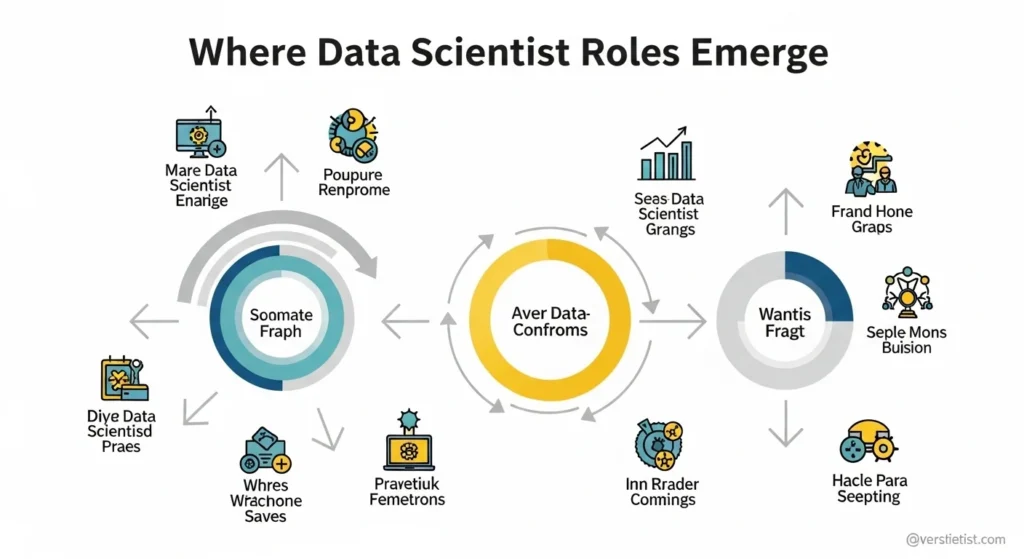
- 💼 LinkedIn & Resumes – formal job titles and career highlights
- 📊 Tech Blogs & Articles – explaining responsibilities, tasks, and roles
- 🎓 University Programs – data science courses and degrees
- 🐦 Twitter/X threads – casual discussion of tech careers
Tone: Mostly professional; sometimes casual when discussing tech careers online.
💬 Real World Examples of a Data Scientist at Work
Here are some realistic workplace scenarios showing how a data scientist contributes:
- Project Meeting:
Manager: “Can we predict next month’s sales?”
Data Scientist: “Yes, I’ll build a model using historical sales and marketing data.” - Reporting Insights:
Marketing Lead: “Why did engagement drop?”
Data Scientist: “Our analysis shows users respond better to email campaigns than social media posts.” - Team Collaboration:
Product Team: “Should we launch feature X?”
Data Scientist: “Based on user behavior trends, this feature will likely increase retention by 12%.” - Executive Presentation:
CEO: “Which products are underperforming?”
Data Scientist: “Here’s a dashboard showing trends and suggested actions.” - Daily Workflow:
Task: Collect data → Clean → Analyze → Model → Present → Repeat
🕓 When to Use a Data Scientist (or the Term)
✅ Best Situations:
- Explaining project roles
- Planning data-driven strategies
- Discussing data science careers
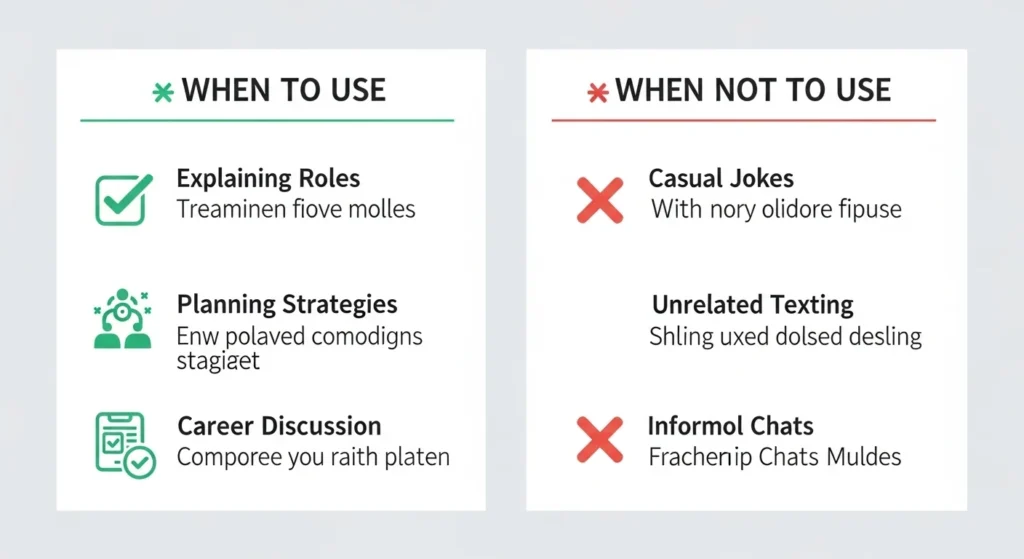
❌ Avoid Using in:
- Casual jokes unrelated to tech
- General conversations with no analytics context
- Informal texting with friends
Comparison Table:
| Context | Example Phrase | Why It Works |
| Team Chat | “Let’s involve a data scientist in this project” | Professional & clear |
| “Please review the report with the data scientist’s analysis” | Formal & precise | |
| Career Blog | “A data scientist predicts trends using AI and machine learning” | Informative & SEO-friendly |
🔄 Similar Roles or Alternatives
| Role | Meaning | When to Use |
| Data Analyst | Examines data to find trends | Reporting or basic insights |
| Machine Learning Engineer | Builds predictive models using data | AI or predictive modeling discussions |
| Business Analyst | Interprets data to improve business strategy | Strategic planning in business contexts |
| Statistician | Focuses on data patterns and probability | Academic or analytical discussions |
| AI Specialist | Works with AI algorithms and data | Tech projects, AI-focused work |
❓ FAQs About “Data Scientist”
Q1: Is a data scientist the same as a data analyst?
A: No. Analysts focus on interpreting existing data, while data scientists build predictive models and analyze complex datasets.
Q2: Do data scientists code a lot?
A: Yes! Python, R, and SQL are daily tools.
Q3: Can anyone become a data scientist?
A: With the right training in statistics, programming, and visualization, yes.
Q4: What’s the average salary of a data scientist?
A: In 2026, the average US salary is $120,000/year, with higher pay in top tech companies.
Q5: What skills do I need to become a data scientist?
A: Programming, machine learning, data visualization, analytical thinking, and business acumen.
✅ Conclusion
A Data Scientist is a modern detective for numbers analyzing raw data, building models, and presenting insights that guide business decisions.
By understanding what a data scientist does, the tasks, skills, and career path, anyone can navigate tech roles or even pursue a data science career.
Whether you’re curious about this role, planning a career, or just researching tech professions, now you know the responsibilities, daily tasks, and real world impact of a data scientist.

Jackson Madison is a forward-thinking creator with a drive for innovation and meaningful impact. His vision blends creativity, strategy, and authenticity to inspire growth and change.
Leave a Comment