Have you ever been scrolling through a chat or social media post and suddenly saw someone type PTSD? Maybe it was in a meme, a tweet, or even a group chat, and you paused, thinking, “Wait… what does that mean?” I remember the first time I saw it pop up in a DM from a friend joking about a stressful game, and I had to pause and look it up.
It seemed important, but I didn’t want to assume. If you’ve had that same moment of confusion, don’t worry you’re not alone.
Today, we’ll break down exactly what PTSD stands for, what it means both clinically and online, and how it’s used in texting, social media, and online chats.
Quick Answer :
PTSD stands for Post Traumatic Stress Disorder, a mental health condition that develops after a traumatic experience. Online, it’s also used casually as slang to describe stressful or shocking situations.
Understanding PTSD: Clinical Meaning vs Slang
Full Form: Post Traumatic Stress Disorder
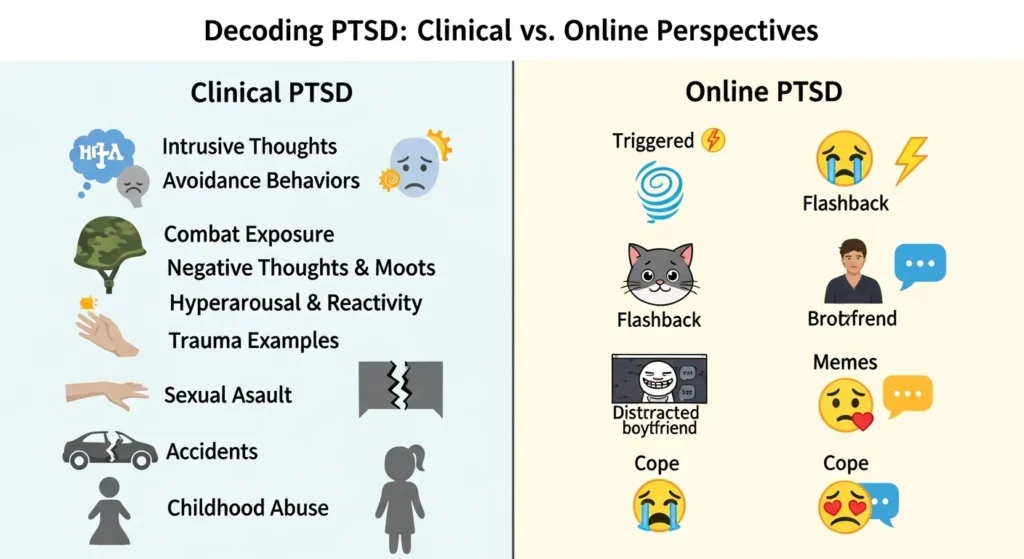
Clinical Definition:
PTSD is a mental health condition that can occur after a person experiences or witnesses a traumatic event, such as:
- Accidents or serious injuries
- Natural disasters
- Violence or assault
- Military combat
Common symptoms include:
- Flashbacks or intrusive memories
- Nightmares
- Severe anxiety
- Emotional numbness
Example (clinical context): “After the car accident, she was diagnosed with PTSD and started therapy to manage her anxiety.”
Online / Slang Meaning:
In texting, DMs, or social media, PTSD is often used casually to describe moments of stress, shock, or embarrassment even if it’s not serious. This is part of modern texting culture and social media slang.
Example (texting slang): “i legit have PTSD from that horror movie scene 😩”
Summary:
PTSD is short for Post Traumatic Stress Disorder a serious mental health condition. Online, it’s also used casually to describe stress or shocking experiences.
Where PTSD Is Commonly Used Online
| Platform / Context | Tone | How PTSD Is Used |
| Texting / DMs | Casual, friendly | Exaggerated reactions to awkward or stressful situations |
| Social Media (Instagram, TikTok, Twitter) | Informal, humorous | Memes, captions, threads about shocking or funny moments |
| Gaming Chats / Discord | Casual, playful | Reacting to scary or intense in game events |
| Online Forums (Reddit, Quora) | Informal / serious | Sharing personal stories or joking about experiences |
Tip: Always consider context clinical discussions use PTSD seriously, while memes and texts use it humorously.
Realistic Chat and Text Examples
Here’s how people use PTSD in real life texting and online slang:
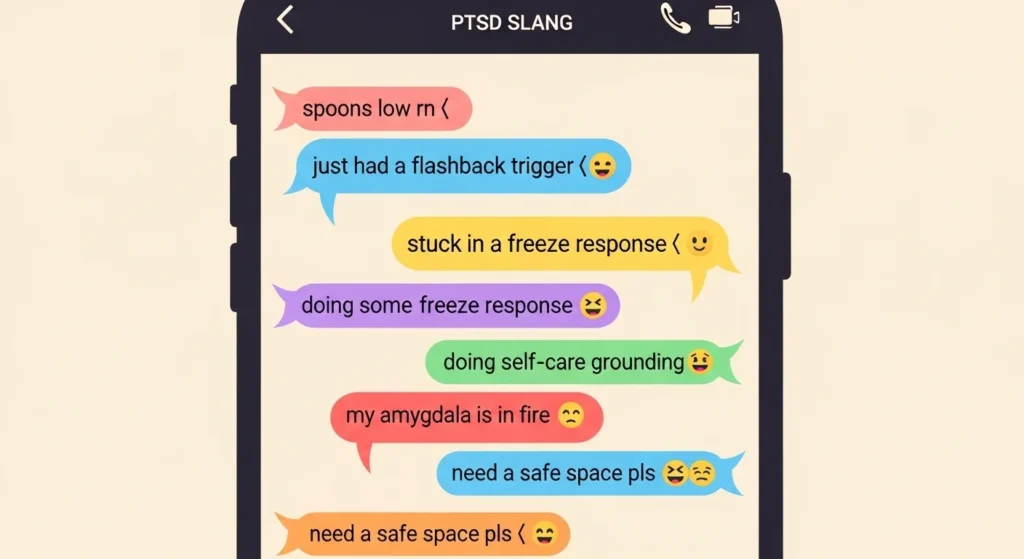
- “omg that jump scare gave me ptsd 😭”
- “i still have ptsd from trying to cook last night lol”
- “bro remember that boss fight? legit ptsd moment”
- “reading that thread gave me ptsd ngl”
- “i have ptsd every time my phone dies at 1%”
- “first day of school ptsd is real”
- “i cant watch that show anymore, total ptsd vibes”
- “my dog stole my food again, ptsd flashbacks”
- “that group project gave me ptsd fr”
- “omg the plot twist in the movie? ptsd central”
When to Use PTSD: Do’s and Don’ts
✅ Do Use PTSD:
- In serious mental health discussions
- To describe real trauma respectfully
- Lightly exaggerating stress or shock in humorous online chats
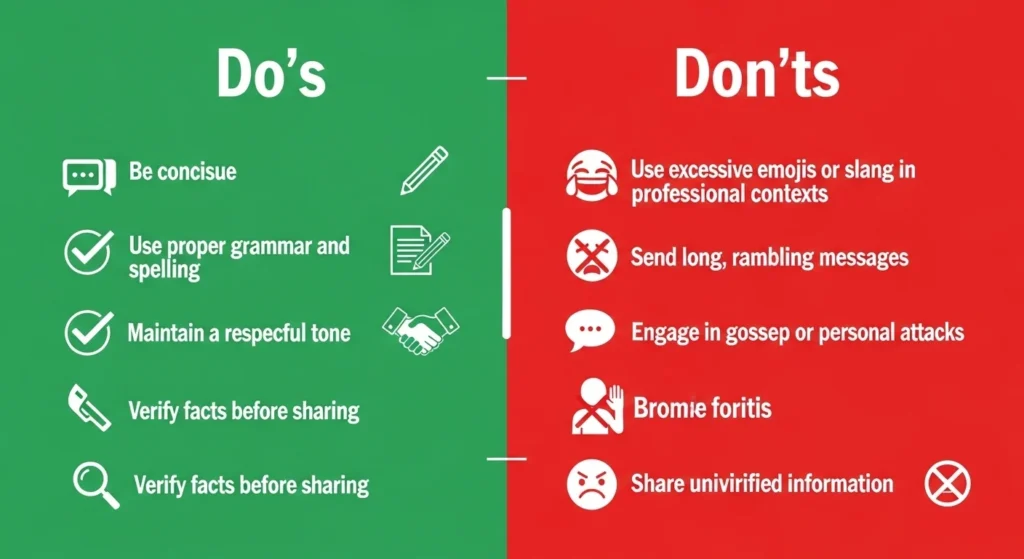
❌ Don’t Use PTSD:
- Mocking or joking about someone’s actual trauma
- In formal writing or professional settings
- Overusing it in memes in a way that trivializes the disorder
| Context | Example | Why It Works / Doesn’t Work |
| Gaming chat | “that raid gave me ptsd 😩” | Works – casual exaggeration |
| Support forum | “i have ptsd from my accident” | Works – serious context |
| School essay | “i have ptsd after the presentation” | Doesn’t work – slang in formal writing |
| Meme comment | “watching that clip gave me ptsd” | Works – humorous, relatable |
Similar Slang Words and Alternatives
| Slang / Abbreviation | Meaning | When to Use |
| FML | “F*** my life” – frustration | Casual texting, joking about bad events |
| SMH | “Shaking my head” – disbelief | Social media, DMs, forums |
| TFW | “That feeling when” – relatable reactions | Memes, posts, tweets |
| RIP | “Rest in peace” – jokingly for small failures | Informal chats, memes |
| Triggered | Strong emotional reaction | Casual commentary or jokes |
These alternatives are part of texting culture but do not replace PTSD in discussions about actual trauma.
FAQs About PTSD: Texting and Clinical Use
1. Is PTSD just a text slang?
No. PTSD is a real mental health condition, but online it’s often used casually as slang for stressful or shocking experiences.
2. How can I tell if PTSD is used seriously?
Look at context. Clinical discussions mention symptoms, therapy, or trauma. Casual posts often use emojis or memes.
3. Who commonly uses PTSD as slang?
Mostly teens and young adults active on social media platforms and gaming communities.
4. Can joking about PTSD be offensive?
Yes, if it minimizes real trauma. Always consider context and audience.
5. Is PTSD formal or informal?
Online usage is informal, especially in texting, memes, and DMs. Clinical use is formal.
6. Are there alternatives for casual reactions?
Yes, words like “triggered,” “FML,” or “RIP” are commonly used in informal chats.
7. Should I ever use PTSD in professional writing?
No. In professional, academic, or mental health contexts, spell it out and provide accurate information.
Final Thoughts
PTSD stands for Post Traumatic Stress Disorder, a serious mental health condition, but it also functions as a texting abbreviation and social media slang to describe shocking, stressful, or awkward moments.
Understanding the difference between clinical PTSD and casual online usage helps you communicate responsibly while staying relatable in digital conversations.
Whether in memes, DMs, Reddit threads, or gaming chats, using PTSD correctly ensures you respect mental health while participating in modern texting culture.

Andrew Michael is a visionary thinker and passionate creator, focused on turning bold ideas into real-world impact. His creativity and dedication inspire others to grow, achieve, and make a difference.
Leave a Comment