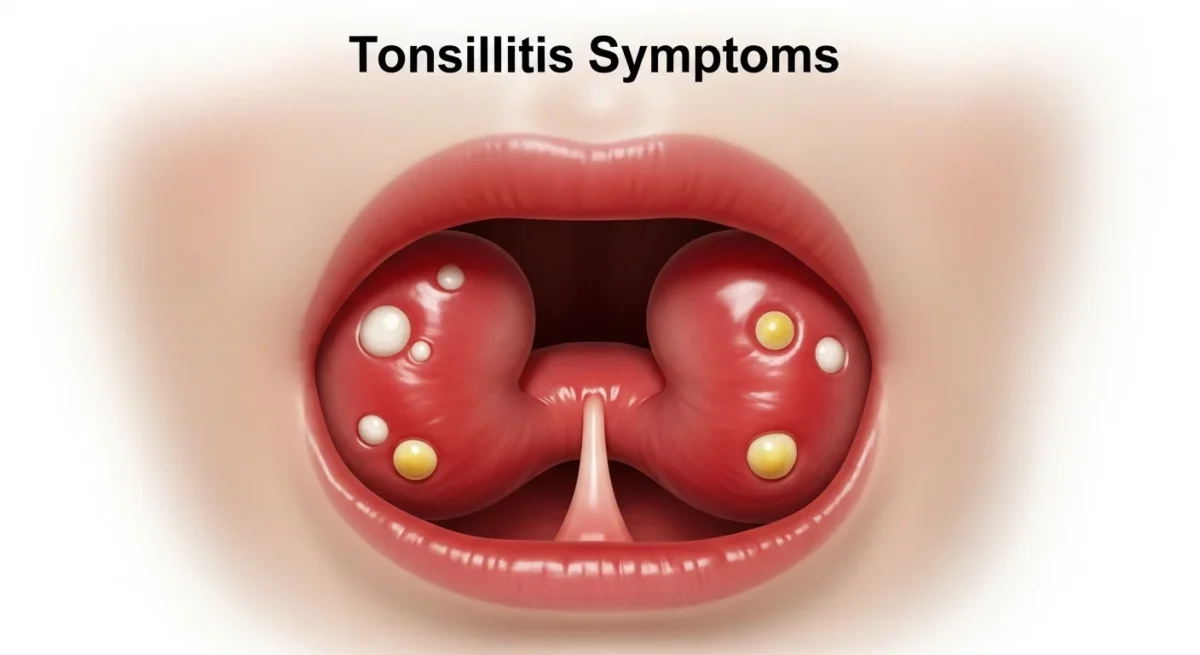
Have you ever heard someone say they have tonsillitis and wondered what it actually looks like? Maybe a friend mentioned it in a chat, or you read it on social media, and it made you pause.
Tonsillitis might sound complicated, but it’s actually a common throat infection that’s easy to recognize once you know the visual signs and symptoms.
This guide will show you exactly what tonsillitis looks like, how to spot it, and when to seek help all in a simple, friendly, and social media ready style.
Quick Answer:
Tonsillitis is an infection that causes your tonsils to become red, swollen, and sometimes covered with white or yellow spots.
What Tonsillitis Means
Tonsillitis comes from the word “tonsil” (the small glands in your throat) and “ itis” (meaning inflammation). Simply put, it’s an infection of the tonsils.
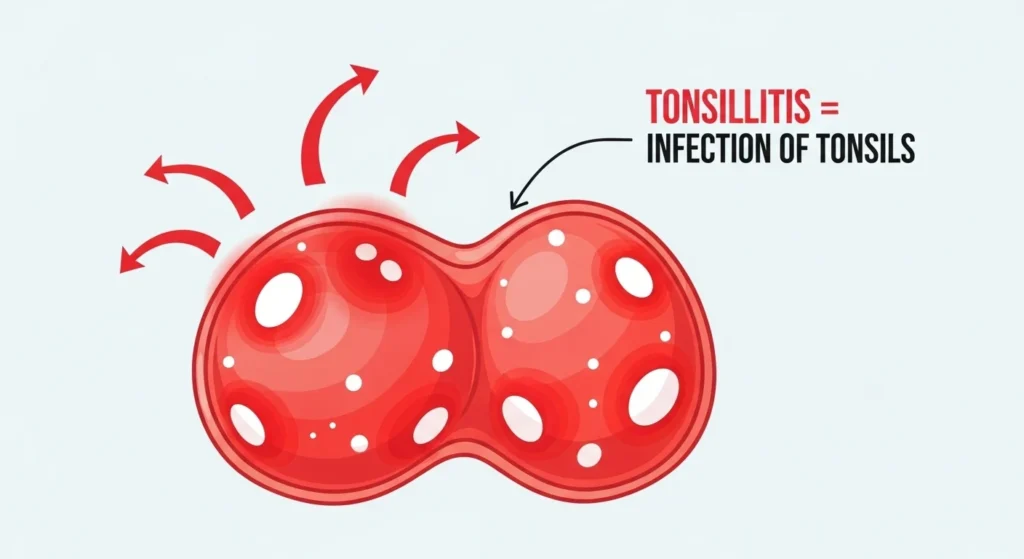
- Plain English explanation: Your tonsils are irritated, swollen, and sometimes spotted.
- Why people use the term: To describe tonsillitis symptoms in conversation, social media posts, or chats with friends.
- Example sentence: “I had to skip school because my tonsils were so swollen from tonsillitis.”
Summary: Tonsillitis is a throat infection that makes your tonsils red, swollen, and sometimes spotted with white or yellow patches.
How Tonsillitis Looks: Visual Signs
Here’s a simple guide to what tonsillitis looks like in the throat:
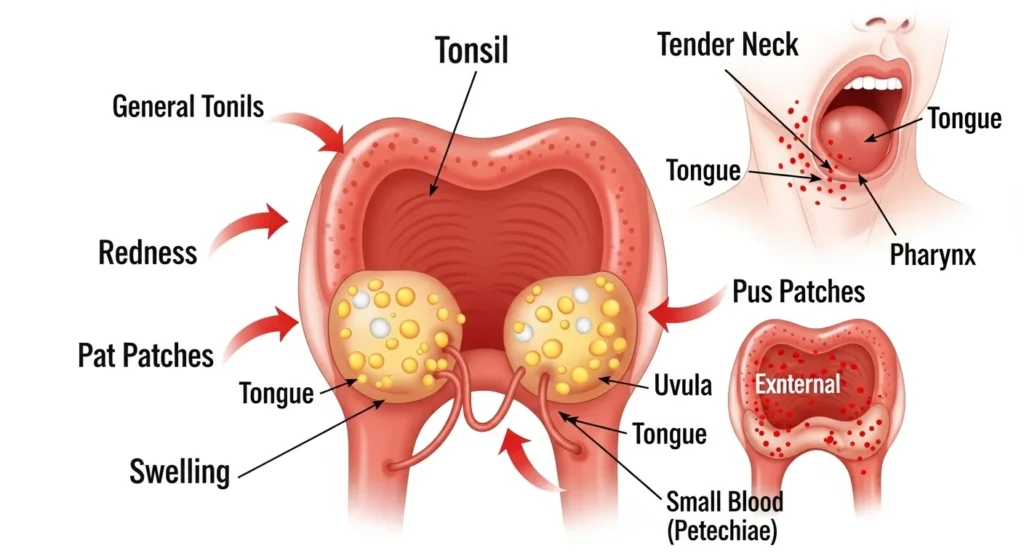
- Red, swollen tonsils – The main sign; tonsils appear larger than normal.
- White or yellow patches – Sometimes small spots or coating on the tonsils.
- Red throat background – The area behind the tonsils may be inflamed.
- Tenderness or visible swelling on neck – Swollen lymph nodes under the jaw.
- Small blood spots in severe cases – Rare, but can appear if inflammation is strong.
Tip: Viral tonsillitis often has redness without pus, while bacterial tonsillitis (like strep throat) may have white/yellow patches.
Common Symptoms Alongside Visual Signs
| Symptom | How It Appears | Notes |
| Sore throat | Pain when swallowing | Often first sign |
| Fever | Elevated temperature | Usually mild in viral, higher in bacterial |
| Swollen lymph nodes | Neck feels tender | Check under the jaw |
| Headache | Pain in head or neck | Common with infection |
| Fatigue | Feeling unusually tired | Normal immune response |
| Bad breath | Slight odor | Due to bacterial presence |
| Voice changes | Hoarse or muffled voice | From swollen tonsils |
When to See a Doctor
- High fever (above 101°F / 38°C)
- Difficulty breathing or swallowing
- Pus on tonsils
- Symptoms lasting more than a week
- Recurring tonsillitis
Pro Tip: Early treatment prevents complications, especially if it’s bacterial.
Where You See the Term “Tonsillitis” Online
While most people search for visual signs, the term also appears in:
- Texting and DMs: Casual chats about being sick.
- Social media posts/stories: People share experiences with tonsillitis.
- Online forums/health communities: Advice or symptom discussion.
- Comments on posts: Jokes or relatable illness experiences.
Tone: Casual in personal chats, neutral and factual in forums.
Realistic Chat Examples

- “hey just fyi i’m out today, got tonsillitis 😷”
- “ugh my throat hurts so bad, probs tonsillitis”
- “doc said it’s viral tonsillitis, nothing serious”
- “can’t join the game, tonsillitis attack lol”
- “any remedies for tonsillitis? can barely swallow”
- “my sister had tonsillitis last week, poor thing”
- “tonsillitis vibes hitting hard rn”
When to Use and Not Use the Term
Do’s
- Explain actual symptoms in casual chat.
- Share personal health experiences on social media.
- Ask for advice in forums or communities.
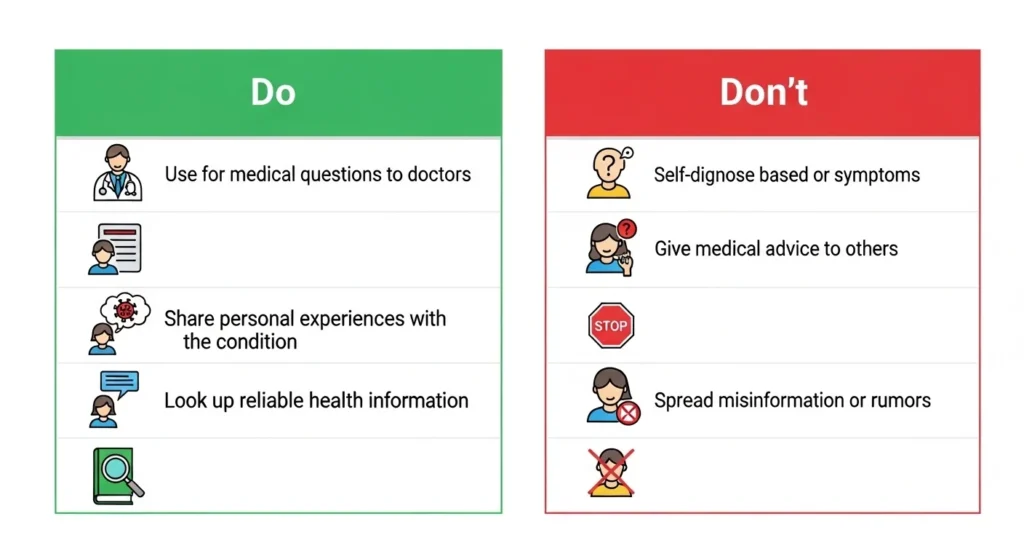
Don’ts
- Use jokingly about unrelated situations.
- Use in formal writing unless medically required.
- Self diagnose just because someone else mentioned tonsillitis.
| Context | Example Phrase | Works / Doesn’t Work |
| Texting a friend | “i can’t hang out, tonsillitis” | Works: casual & clear |
| Work email | “i’m out due to tonsillitis” | Works if medically necessary |
| Meme caption | “tonsillitis hit me like a storm” | Doesn’t work: exaggeration may confuse |
| Forum post | “experiencing tonsillitis symptoms” | Works: factual & neutral |
Similar Terms and Alternatives
| Term | Meaning | Use Case |
| Strep throat | Bacterial throat infection | Health advice or forums |
| Sore throat | General throat pain | Casual texting |
| Throat infection | Broad term | Forums, social media |
| Inflamed tonsils | Descriptive | Explaining visible symptoms |
| Viral infection | Broader term | Medical or advice posts |
FAQ About Tonsillitis
1. What do tonsils with tonsillitis look like?
Red, swollen, sometimes with white or yellow spots.
2. Can you see tonsillitis without a doctor?
Yes, mild cases are often visible at home, but a doctor can confirm bacterial vs viral.
3. How is tonsillitis different from a sore throat?
Sore throat is general pain, while tonsillitis shows swollen tonsils and possible patches.
4. Who uses the term online?
Teens, young adults, and social media savvy users sharing experiences.
5. Is tonsillitis contagious?
Yes, bacterial and viral forms can spread via cough, sneeze, or close contact.
6. Can you treat tonsillitis at home?
Mild viral cases: rest, fluids, and pain relief. Bacterial: antibiotics prescribed by a doctor.
7. What emojis are used with tonsillitis online?
🤒 and 😷 are commonly added in texting or social media posts.
Final Thoughts
Tonsillitis is a common throat infection that’s easy to identify once you know the visual signs: red, swollen tonsils, sometimes with white or yellow patches.
Knowing what it looks like helps you act quickly, whether that’s seeing a doctor or explaining symptoms online.
While it’s occasionally mentioned in texting or social media slang, most people searching this term want clear visual descriptions and practical guidance.
Understanding the signs, symptoms, and when to seek help makes conversations about tonsillitis accurate, helpful, and relatable.

Jackson Madison is a forward-thinking creator with a drive for innovation and meaningful impact. His vision blends creativity, strategy, and authenticity to inspire growth and change.
Leave a Comment